
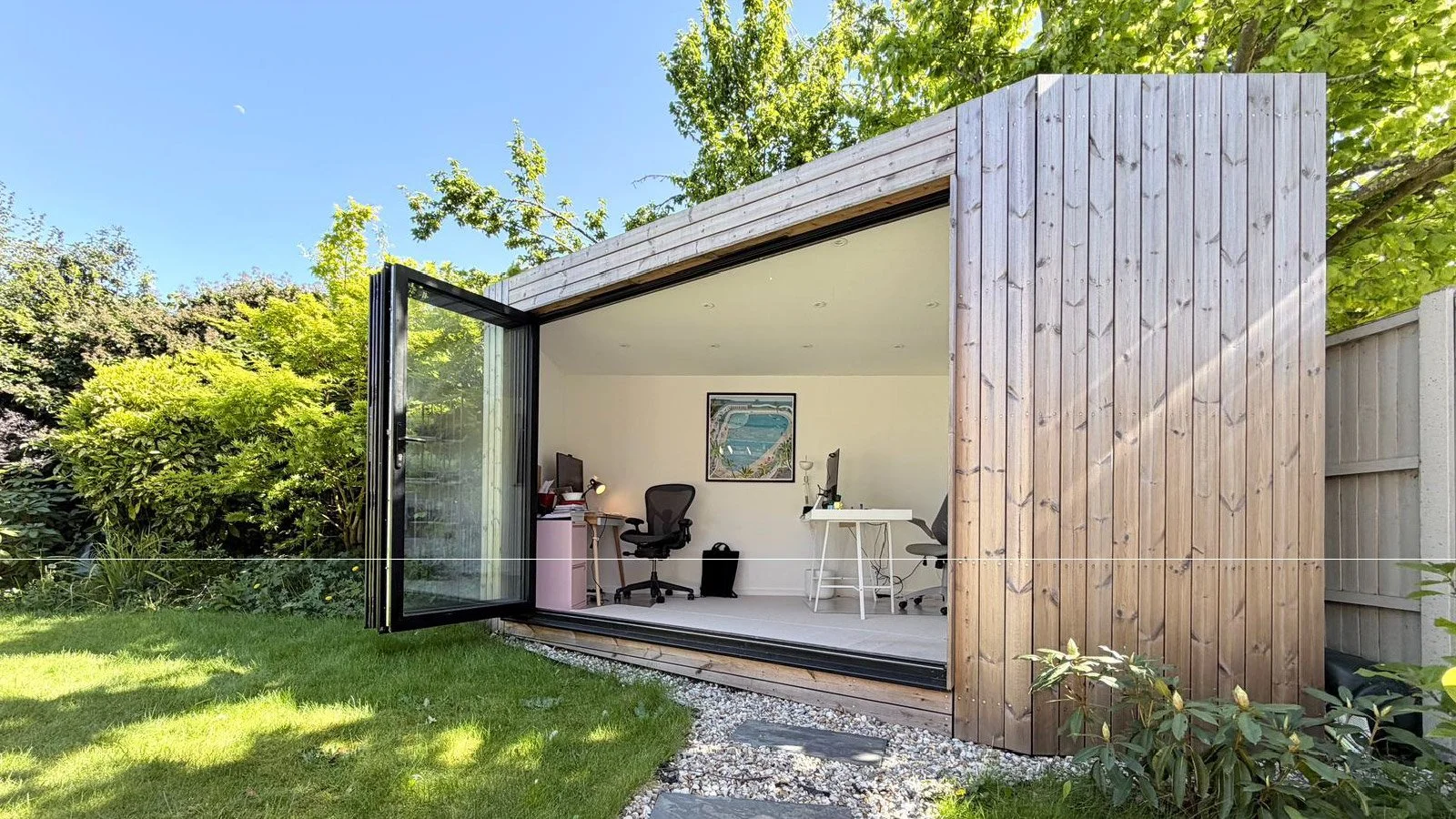
Two Years Later: Revisiting a Berkshire Garden Office Built for Real Everyday Use
What happens to a premium garden office after two years of daily use? We revisit a bespoke SIPs garden office in Berkshire to see how the cladding, insulation, and overall build quality have aged over time.
What actually happens to a garden office after two years of daily use?
That’s one of the biggest questions homeowners ask before investing in a premium garden room — and understandably so. A brand-new cabin always looks impressive on installation day, but long-term performance is what really matters.
Recently, we revisited one of our bespoke garden offices in Wokingham, Berkshire, originally installed for two professionals working from home full-time. Two years later, the cabin is still being used every single day — and the revisit reinforced exactly why build quality, detailing, and proper materials matter so much in the long run.
This wasn’t designed to be a “garden shed with insulation.”
It was designed to feel like a genuine extension of the home.
The Original Brief; A Proper Workspace Separate From the House
The clients already had a large family home, but like many remote professionals, they found that working inside the house blurred the line between work and home life.
Instead of using:
a spare bedroom
the dining table
or a temporary office setup
They wanted a completely separate environment dedicated to work, focus, and routine.
The result was a bespoke 4m x 3m SIPs garden office positioned carefully within the corner of the garden to maximise privacy and usability while maintaining a clean architectural appearance from every angle.
Two years later, the clients still use the cabin daily as their primary workspace.
Why More Homeowners Are Choosing Garden Offices Over Extensions
Across Berkshire, Wokingham, Reading, and the South East, demand for insulated garden offices has increased dramatically in recent years.
For many homeowners, a premium garden room now makes more sense than:
loft conversions
internal renovations
or expensive home extensions
because it creates:
genuine separation from the house
a quieter working environment
faster installation times
lower disruption
and year-round usable space
When designed properly, a garden office becomes more than an outbuilding — it becomes part of how the home functions day-to-day.
The Build Specification
This Berkshire garden office was constructed using the same high-spec methods we use across all of our premium builds.
Key specifications included:
Structural Insulated Panel (SIPs) construction
Double-glazed aluminium bi-fold doors
Fully plastered internal finish
EPDM rubber roofing system
Low-maintenance external detailing
Premium timber cladding
Existing prepared base installation
The focus was not simply on appearance at installation, but on how the cabin would perform after years of real use.
Built for Real Year-Round Performance
This garden office was constructed using high-performance Structural Insulated Panels (SIPs), helping create a workspace that remains comfortable throughout the year.
Unlike many lower-spec garden buildings, SIPs combine structure and insulation into a single high-performance system, improving:
thermal efficiency
airtightness
structural stability
and long-term comfort
Our standard wall build-up delivers thermal performance comparable to many modern house extensions, helping the space stay warm in winter and comfortable in summer with only minimal heating required.
Two years later, the clients still comfortably heat the cabin using a compact electric heater — demonstrating just how effective proper insulation and airtight construction can be in everyday use.
Two Years Later, How Has the Cabin Aged?
One of the most interesting parts of revisiting this project was seeing how naturally the materials had matured over time.
The timber cladding, originally installed in its fresh warm tone, has gradually weathered into a soft silvery-grey finish that now blends beautifully into the surrounding garden.
Importantly, the weathering has occurred evenly across the cabin, creating a far more natural and architectural appearance than many heavily treated timber finishes.
In many ways, the cabin now looks even better than it did when first installed.
Why Exterior Detailing Matters More Than Most People Realise
One thing homeowners often overlook when comparing garden room companies is how the cabin actually looks from around the garden, not just in a front-facing marketing photo.
At Backyard Cabins, we believe a garden room should look premium from every visible angle.
That’s why we continue our cladding around visible side elevations wherever possible rather than focusing only on the front façade.
This creates:
cleaner lines
a more architectural finish
better visual integration into the garden
and a far more premium overall appearance
We also pay close attention to:
trim detailing
material junctions
shadow gaps
and external finishing methods
to avoid the heavily panelled or over-sealed appearance often seen on lower-cost garden buildings.
These details may seem small initially, but they become increasingly noticeable over time.
Why Build Quality Really Matters After the First Winter
One of the biggest differences between premium SIPs garden rooms and lower-cost alternatives only becomes obvious after a few years of ownership.
Many cheaper garden offices can initially look impressive but later develop issues such as:
condensation
poor insulation performance
excessive heating costs
door movement
cold floors
ongoing maintenance problems
For this Berkshire project, long-term usability was prioritised from day one.
Two years later:
the aluminium doors are still operating perfectly
no adjustments have been required
the EPDM roof continues performing flawlessly
the cabin remains warm in winter and comfortable in summer
and the overall structure still feels exceptionally solid
This is exactly why we use Structural Insulated Panels (SIPs) rather than relying solely on traditional timber framing methods.
A garden office should not just survive the first winter — it should continue performing properly for years.
Why Fully Plastered Interiors Make Such a Difference
One of the biggest things clients notice when stepping inside a Backyard Cabin is that the interior feels like a real room rather than a timber outbuilding.
Instead of exposed timber-lined walls, this project was finished with:
fully plastered walls
painted interiors
modern lighting
flooring
and soft furnishings
The result is a space that psychologically feels far closer to a home extension than a typical garden building.
Over time, this becomes incredibly important because the cabin genuinely integrates into daily life rather than feeling like a separate external structure.
Designed for Two People Working From Home
Another key aspect of this project was designing the space to comfortably accommodate two full-time remote workers.
The 4m x 3m footprint allows enough room for:
two desk setups
heating
lighting
storage
and softer home-style furnishings
without feeling cramped or cluttered.
As hybrid and remote working continue growing across Berkshire and the South East, more homeowners are now specifically searching for:
dual home offices
two-person garden offices
and insulated workspaces for couples working remotely together
This project is a strong example of how a compact footprint can still create an extremely functional long-term workspace.
Low Maintenance By Design
No external building is ever truly “zero maintenance,” but modern garden rooms should require as little ongoing upkeep as possible.
This cabin was intentionally designed around:
aluminium glazing
EPDM roofing
natural timber weathering
and durable external detailing
to minimise long-term maintenance requirements.
Even after two years of continuous use, the cabin remains remarkably low maintenance while continuing to look clean, modern, and architecturally sharp.
Why More Berkshire Homeowners Are Choosing Backyard Cabins
Today’s buyers are becoming far more informed about:
insulation quality
construction methods
long-term performance
and architectural detailing
Many homeowners no longer want a “shed-style” garden office.
They want:
a proper insulated room
premium finishes
low maintenance ownership
and something that genuinely adds value to the property
That is exactly the philosophy behind every Backyard Cabins project.
Thinking About Building Your Own Garden Office?
Whether you are planning:
a dedicated home office
a creative studio
a gym
or a multi-use garden room
The materials and construction methods you choose will make a huge difference to how the building performs long term.
A properly built SIPs garden room should still feel warm, solid, and enjoyable to use years after installation — not just on day one.
View Our Garden Room Models & Prices
Explore Images of Our Completed Projects
Request a Personalised Quote
Frequently Asked Questions
How long should a SIPs garden office last?
A professionally installed SIPs garden office built using quality materials should provide excellent long-term performance for many years with minimal maintenance.
Do garden offices get cold in winter?
Properly insulated SIPs garden offices remain comfortable year-round and are designed for daily use throughout winter.
Are garden offices good for two people working from home?
Yes, many modern garden offices are now designed specifically for dual workstations and remote working couples.
Do timber garden rooms require lots of maintenance?
Modern garden rooms using EPDM roofing, aluminium glazing, and quality cladding are generally very low maintenance compared to older timber structures.
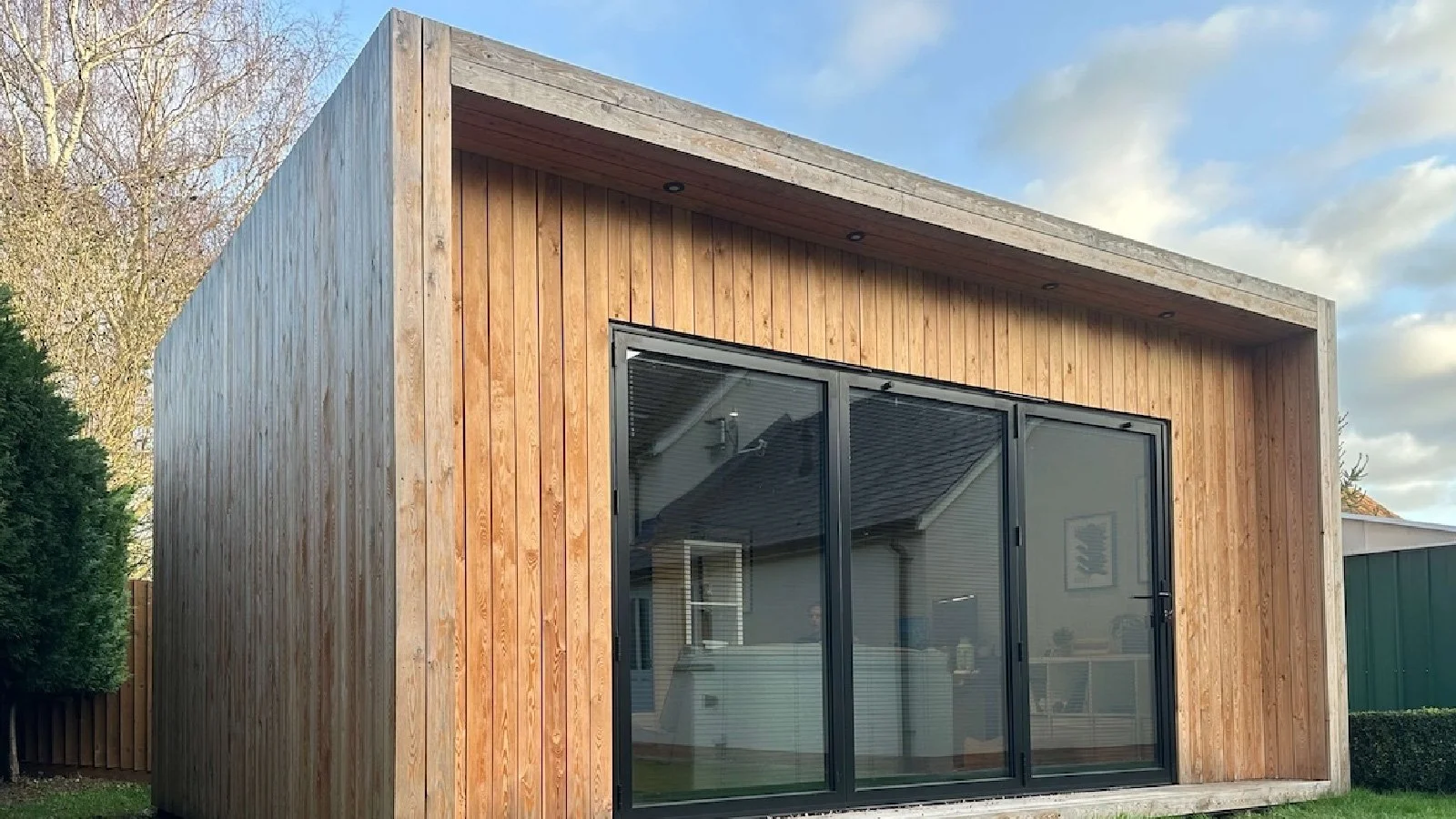
Garden Rooms in London: A Practical Guide to Creating Extra Space Without Extending Your Home
Garden rooms are becoming increasingly popular across London as homeowners look for practical ways to add extra space without extending the main house. Whether used as a garden office, studio, or flexible living area, a well-designed garden room can transform how your home works day-to-day. This guide explains what to consider when planning a garden room in London and how to design a space that works year-round.
Garden Rooms in London: Why More Homeowners Are Choosing Them
Across London, homeowners are increasingly turning to garden rooms as a practical way to create extra space without extending the main house.
Whether the goal is a garden office, studio, gym, or flexible family space, a well-designed garden room can completely transform how a property functions.
Unlike a traditional extension, garden rooms are typically quicker to install, less disruptive, and often fall within permitted development rules.
For many homeowners, they offer the ideal balance between additional living space and maintaining the character of the main house.
If you are considering garden rooms in London, there are several important factors worth understanding before moving forward.
Why Garden Rooms Work Particularly Well in London
London homes often have valuable garden space that is underused.
Instead of extending the house or converting interior rooms, a garden room allows you to create a separate environment within the garden itself.
This separation is particularly valuable in the city where homes are often busy, multi-purpose spaces.
A thoughtfully designed garden room can provide:
a calm workspace away from the house
a studio or creative space
a garden office for remote work
a flexible multi-purpose room
Because the structure sits within the garden, it can provide a sense of separation that is difficult to achieve within the main house.
Garden Offices in London: A Better Way to Work From Home
One of the most common reasons London homeowners install garden rooms is to create a dedicated garden office.
Working from home has become increasingly common, but many properties were not designed with home offices in mind.
Kitchen tables, spare bedrooms, and living rooms often become temporary workspaces, which can make it difficult to maintain a clear boundary between work and home life.
A garden office solves this problem by providing a quiet, dedicated workspace just outside the house.
Many homeowners choose garden offices because they offer:
a calm, focused working environment
natural light and garden views
separation from household activity
flexibility to adapt the space in the future
A garden office can also evolve over time, becoming a studio, consulting room, or creative space depending on how needs change.
Are Garden Rooms Suitable for Year-Round Use?
A common question people ask when researching garden rooms is whether they can be used comfortably throughout the year.
The answer depends entirely on how the building is designed and constructed.
A high-quality garden room should include:
full insulation in the walls, floor, and roof
durable roofing systems
high-performance glazing
proper structural construction
When built properly, a garden room becomes a genuine extension of living space rather than a seasonal feature used only in summer.
Many modern garden rooms are used every day of the year as offices, studios, or relaxation spaces.
Designing a Garden Room for a London Garden
Designing garden rooms in London requires careful consideration.
Gardens are often more compact, neighbouring properties are closer, and privacy becomes more important.
For this reason, good garden room design focuses on:
balanced proportions that suit the garden
glazing that maximises light without sacrificing privacy
positioning that feels natural within the garden
materials that complement the surrounding architecture
A well-designed garden room should feel like a natural part of the landscape rather than simply a structure placed at the end of the garden.
Pre-Designed Garden Rooms vs Bespoke Designs
When planning a garden room, homeowners generally have two options.
Pre-designed garden rooms
Pre-designed cabins offer carefully balanced layouts that work well for common uses such as garden offices, studios, and multi-purpose spaces.
These designs are typically refined over time to maximise usable space, natural light, and practicality.
Bespoke garden rooms
Bespoke designs allow the building to be tailored specifically to the garden.
This can be particularly useful for:
narrow plots
unusual garden shapes
privacy-sensitive spaces
multi-use layouts
Choosing between these options usually depends on the shape of the garden and how the space will be used.
Do Garden Rooms Require Planning Permission in London?
In many cases, garden rooms fall under permitted development, meaning planning permission is not required.
However, there are several conditions that must be met.
Typical considerations include:
height restrictions when close to a boundary
the overall height of the structure
the intended use of the building
Because London gardens can vary significantly, it is always sensible to understand these rules before committing to a design.
Choosing the Right Garden Room Builder
Not all garden rooms are built to the same standard.
When comparing options, it is important to look beyond appearance and consider the quality of construction.
Things to look for include:
insulation and structural design
materials and durability
attention to detail
warranty and long-term reliability
A garden room should be a long-term investment that enhances the property rather than a temporary solution.
Exploring Garden Rooms in London
If you are considering installing a garden room or garden office in London, the best place to start is by exploring different designs and thinking about how the space will be used.
You can learn more about garden rooms and garden offices in London here:
Garden Rooms & Garden Offices in London
Or explore our range of pre-designed garden rooms to see what might suit your garden.
Or if you are considering a fully tailored design, we are always happy to discuss ideas and possibilities.
Speak to us about a bespoke garden room
Final Thoughts
Garden rooms offer one of the most effective ways to create additional space in a London home without extending the main building.
Whether used as a garden office, studio, or flexible multi-purpose space, a well-designed garden room can transform how a property functions day to day.
The key is thoughtful design, quality construction, and ensuring the structure works naturally within the garden.
When those elements come together, a garden room becomes far more than an outbuilding — it becomes a valuable and enjoyable part of the home.