
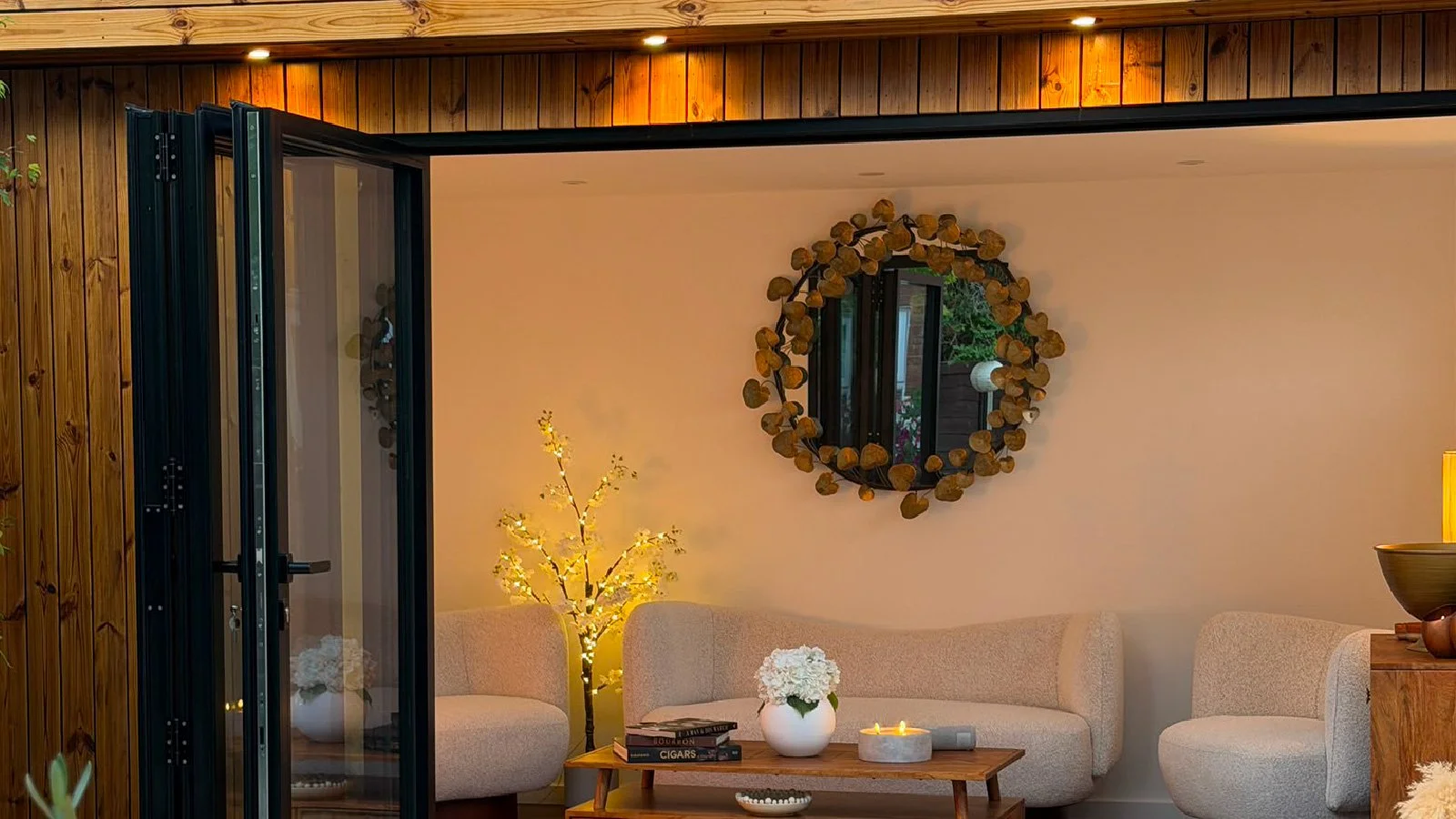
Do You Need Planning Permission for a Garden Room? The Complete 2026 Guide (England)
Planning permission is one of the biggest concerns for anyone considering a garden room. This comprehensive guide explains Permitted Development rights, Building Regulations, conservation areas, Article 4 Directions, listed buildings, business use and other common questions to help you understand the rules before starting your project.
Last reviewed: July 2026
Important
This guide is intended as general information only and reflects our understanding of the planning system at the time of writing.
Planning legislation, permitted development rights and Building Regulations can change, and individual properties may be subject to additional restrictions, including Article 4 Directions, conservation areas, Tree Preservation Orders (TPOs), restrictive covenants and listed building status.
This article does not constitute legal, planning or Building Regulations advice. Before starting your project, we strongly recommend checking the latest guidance on the Planning Portal and GOV.UK, and confirming your individual circumstances with your local planning authority or a suitably qualified planning professional.
This guide relates to houses in England only. Planning rules differ in Wales, Scotland and Northern Ireland.
Quick Answer
One of the first questions almost every homeowner asks us is:
“Do I need planning permission for a garden room?”
For many people, the answer is no.
Most garden rooms can be built under Permitted Development Rights, meaning you won’t usually need to submit a full planning application.
However, that doesn’t mean every garden room is automatically exempt.
Whether planning permission is required depends on factors such as:
where the building sits within your garden
its height
how much of your garden has already been developed
whether your property is listed
whether you live in a conservation area or another designated location
how you intend to use the building.
That’s why you’ll often hear conflicting advice online.
One website says planning permission is never needed.
Another says you should always apply.
The truth sits somewhere in the middle.
Most projects are straightforward, but there are enough exceptions that it’s worth understanding the rules before investing thousands of pounds into a garden room.
This guide explains the key points in plain English, helping you understand when planning permission is likely to be required and when it probably isn’t.
What Is Permitted Development?
Permitted Development Rights are national planning rules that allow certain types of building work to take place without making a full planning application.
They were introduced to simplify smaller household projects and avoid unnecessary paperwork for straightforward developments.
Garden rooms often fall within these rights, provided they meet the relevant criteria.
That doesn’t mean there are no rules.
Instead, it means the Government has already decided that certain types of development are acceptable without requiring formal planning permission.
As long as your proposed garden room stays within those limits, a planning application is not normally required.
When Can I Build a Garden Room Without Planning Permission?
For many homeowners in England, a garden room can be built without planning permission if it complies with the Permitted Development rules.
Some of the key requirements include:
The building must be incidental to the enjoyment of the house (for example, a home office, gym, studio or hobby room).
It must not be positioned in front of the principal elevation (the front) of the original house.
If any part of the building is within 2 metres of a boundary, the overall height must not exceed 2.5 metres.
If the building is more than 2 metres from every boundary, the maximum overall height is generally 4 metres with a dual-pitched roof or 3 metres with any other roof type.
Outbuildings and extensions must not cover more than 50% of the land surrounding the original house.
Those are the national rules that apply to many properties in England.
However, they aren’t the whole story.
Some homes have additional restrictions that remove or limit Permitted Development Rights altogether, which we’ll come onto shortly.
Why So Many Garden Room Companies Oversimplify Planning Permission
One of the biggest myths in the garden room industry is that planning permission is simply about keeping a building below 2.5 metres.
Unfortunately, it isn’t that simple.
Height is only one part of the picture.
The location of the building, whether your property is listed, whether you’re in a conservation area, whether Article 4 Directions apply, how much of your garden has already been developed and even how you intend to use the building can all affect whether planning permission is required.
That’s why we never assume.
Every project starts by understanding your property and your plans before recommending the most suitable approach.
Sometimes the answer is straightforward.
Occasionally it isn’t.
A short conversation at the beginning of a project can often avoid far bigger problems later.
Does a Garden Room Count as an Extension?
No.
Although both add extra usable space, a garden room is generally considered an outbuilding, not an extension.
An extension forms part of the main house.
A garden room is a separate structure within the garden.
This distinction is important because different planning rules usually apply to each.
It’s one reason why many homeowners choose a garden room instead of extending their house.
When designed well, it can provide a dedicated home office, studio, gym or multi-purpose room with significantly less disruption than a traditional extension.
Garden Room or Garden Office, Is There a Difference?
Not really.
A garden office is simply one possible use for a garden room.
The planning system is generally more interested in how the building will be used than what it’s called.
For example, all of the following are commonly considered incidental uses:
Home office
Gym
Art or music studio
Treatment room
Hobby room
Garden lounge
Games room
Because many people now work remotely, “garden office” has become the phrase most homeowners search for.
In planning terms, however, it’s usually the building’s use—not its marketing name—that matters.
Does It Matter Where the Garden Room Sits in My Garden?
Yes.
Positioning can make a significant difference.
For example, Permitted Development generally doesn’t allow an outbuilding to be built forward of the principal elevation of the original house.
Similarly, height limits change depending on how close the building is to your property’s boundaries.
It’s one of the reasons we don’t believe in trying to squeeze a standard-sized cabin into every garden.
Sometimes moving a building slightly, adjusting its dimensions or designing something bespoke creates a much better outcome while also making it easier to comply with planning guidance.
At Backyard Cabins, that’s one of the first conversations we have with every client.
Standard Cabin or Bespoke Design?
Many people assume choosing a standard model makes planning simpler.
In reality, planning permission doesn’t depend on whether a garden room is standard or bespoke.
It depends on how that particular building sits within your garden.
Our standard cabin range is designed to provide inspiration and proven layouts, but many of the projects we build are completely bespoke.
Why?
Because every garden is different.
Rather than asking you to compromise by choosing the closest available size, we can design a garden room that works around your space, your lifestyle and your long-term plans.
Sometimes reducing the width by just a few centimetres or repositioning a window creates a far better solution than forcing a standard building into an awkward plot.
That’s one of the biggest advantages of building every cabin individually rather than mass-producing fixed designs.
Can You Sleep in a Garden Room?
This is probably one of the biggest areas of confusion.
Many people assume that because a garden room is insulated, heated and comfortable enough to spend long periods in, it can automatically be used as a bedroom.
Planning doesn’t quite work like that.
Garden rooms built under Permitted Development are generally intended to be incidental to the enjoyment of the house. In other words, they support the main home rather than becoming a separate home in their own right.
That means they’re commonly used as:
Home offices
Home gyms
Studios
Games rooms
Hobby rooms
Garden lounges
Occasionally having a guest stay overnight is very different from creating a self-contained living space.
If your intention is for somebody to live in the building permanently, or for it to function as an independent dwelling with sleeping, cooking and washing facilities, different planning rules are likely to apply.
If that’s your goal, it’s always worth discussing the proposal with your local planning authority before work begins.
Can I Run a Business From a Garden Room?
For many of our clients, this is exactly why they’re investing in one.
A garden room can make an excellent:
Home office
Architect’s studio
Design practice
Beauty or therapy room
Photography studio
Consultancy space
Online business headquarters
Simply working from a garden room doesn’t automatically mean planning permission is required.
In fact, millions of people now work from home, and using a garden room as a quiet office is often considered an incidental use of the property.
However, circumstances can change if your business begins to affect neighbouring properties.
For example, planning considerations may become more relevant if your business generates:
Frequent customer visits.
Regular deliveries by larger vehicles.
Additional staff working from the building.
Increased parking or traffic.
Noise or disturbance for neighbours.
Every situation is different, so if your business involves visitors rather than simply working quietly from home, it’s sensible to seek advice before proceeding.
Could I Have to Pay Business Rates?
This is something very few garden room companies talk about, yet it’s an important consideration for anyone planning to work from home.
In some circumstances, a garden room that is used exclusively for business purposes may be assessed for business rates.
Whether this happens depends on several factors, including how the building is used and whether it remains connected with normal domestic living.
Many home offices never encounter this issue.
However, if the building is dedicated solely to commercial activity, it’s worth discussing the position with both your accountant and your local authority before making any decisions.
It’s a good example of why planning, tax and business use should always be considered separately, they’re three different subjects with different rules.
Do Garden Rooms Need Building Regulations Approval?
One of the biggest misconceptions is that Planning Permission and Building Regulations are the same thing.
They’re not.
Planning Permission considers whether you’re allowed to build.
Building Regulations consider how the building is constructed.
Even if your garden room doesn’t require planning permission, Building Regulations may still be relevant depending on factors such as its size, construction and intended use.
In England, detached single-storey buildings are often exempt from Building Regulations where:
the internal floor area does not exceed 15m² and there is no sleeping accommodation; or
the internal floor area is between 15m² and 30m², there is no sleeping accommodation, and either the building is at least 1 metre from any boundary or it is constructed substantially from non-combustible materials.
Electrical work must still comply with the relevant electrical safety requirements.
If you’re unsure whether Building Regulations apply to your project, it’s always worth discussing the details with Building Control before construction begins.
Planning Permission and Building Regulations – What’s the Difference?
Although they’re often mentioned together, they’re completely separate systems.
Planning Permission considers things such as:
The building’s size.
Its position within the garden.
Its impact on neighbouring properties.
Its appearance.
Whether the development is acceptable.
Building Regulations focus on issues including:
Structural safety.
Fire safety.
Energy efficiency.
Electrical safety.
Ventilation.
Drainage where relevant.
A project may not require planning permission while still needing to comply with certain Building Regulations requirements.
Understanding the distinction can save a great deal of confusion later.
What If My Home Is Listed?
Listed buildings are treated very differently from most other homes.
If your property is listed, the normal Permitted Development rules generally do not apply in the same way.
Within the curtilage of a listed building, constructing a garden room will normally require planning permission, and additional listed building considerations may also apply depending on the circumstances.
If you own a listed property, we strongly recommend discussing your plans with your local planning authority before progressing any further.
What If I Live in a Conservation Area?
Living in a conservation area doesn’t automatically prevent you from building a garden room.
Many homeowners successfully install them.
However, conservation areas are subject to additional planning controls intended to protect the character and appearance of the area.
As a result, developments that would normally fall under Permitted Development elsewhere may require additional consideration.
If your property is located within a conservation area, it’s always worth checking the position with your local authority before making assumptions.
What Is an Article 4 Direction?
An Article 4 Direction allows a local authority to remove certain Permitted Development rights within a defined area.
They’re commonly introduced where councils want greater control over development, such as conservation areas or locations with particular architectural or historic significance.
If your property is affected by an Article 4 Direction, planning permission may be required for work that would normally be permitted elsewhere.
Many homeowners have never heard of Article 4 Directions until they begin researching a project.
Fortunately, your local authority can confirm whether your property is affected.
What About Tree Preservation Orders (TPOs)?
Mature trees can completely transform a garden, but they can also influence where a garden room can be built.
If your property contains trees protected by a Tree Preservation Order (TPO), or trees within a conservation area, additional permissions may be required before carrying out work that could affect them.
This doesn’t necessarily prevent a garden room from being built.
It simply means the design and foundations may need more careful consideration.
At Backyard Cabins, we always look at the whole garden before recommending a layout, helping ensure the building works with the landscape rather than against it.
What If My Property Is in a Flood Zone?
Being in a flood zone doesn’t automatically rule out a garden room.
However, it can introduce additional planning considerations depending on the flood risk classification and the nature of the proposed development.
If your property is known to be within a flood zone, it’s sensible to raise this at an early stage so any additional requirements can be understood before work begins.
What About New-Build Estates and Restrictive Covenants?
One area that’s often overlooked is restrictive covenants.
Many newer housing developments include legal restrictions placed on properties by the original developer.
These can sometimes limit or control what homeowners are allowed to build, even where planning permission isn’t required.
Restrictive covenants are separate from planning law.
It’s therefore possible for a garden room to satisfy planning rules while still being affected by a covenant contained within your property’s deeds.
If you live on a relatively new development, it’s worth checking your paperwork before committing to any project.
Every Property Is Different
One of the biggest lessons we’ve learnt over the years is that no two gardens are ever quite the same.
Some have awkward boundaries.
Others have mature trees, slopes, narrow access or existing patios.
Some are located within conservation areas, while others sit on modern housing developments with restrictive covenants.
This is exactly why we don’t believe in a one-size-fits-all approach.
Before recommending a design, we always take the time to understand both the property and how you intend to use the space.
Quite often, a small adjustment to the size, position or layout of the cabin creates a better solution than simply trying to make a standard design fit.
How Backyard Cabins Helps You Navigate the Process
Planning can feel daunting if you’ve never built a garden room before.
The good news is that, for many homeowners, the process is far more straightforward than they expect.
Every project begins with a conversation about your property, your garden and how you intend to use the space. Rather than simply recommending a standard cabin, we look at the wider picture to help you make informed decisions from the outset.
We’ll discuss things such as:
The most suitable location within your garden.
Whether a standard model or bespoke design would make better use of the available space.
Site access and construction logistics.
Foundation options.
Any planning considerations you may wish to investigate before moving forward.
While we cannot provide legal or planning advice, we can explain how similar projects are commonly approached and help you understand the questions you may wish to discuss with your local planning authority.
Quite often, a short conversation at the beginning of a project provides homeowners with the confidence to move forward.
The Most Common Planning Mistakes Homeowners Make
After building garden rooms across Berkshire, Surrey, Oxfordshire, Wiltshire, London and the surrounding areas, we’ve noticed the same misconceptions appearing time and time again.
Assuming every garden room needs planning permission
This is probably the biggest myth of all.
Many garden rooms are built under Permitted Development without requiring a formal planning application.
Assuming no garden room needs planning permission
The opposite assumption can be equally costly.
Listed buildings, conservation areas, Article 4 Directions and restrictive covenants can all affect what’s possible.
Choosing a standard size before considering the garden
Many homeowners focus on finding the “right model” rather than asking what size would work best for their particular garden.
In reality, a bespoke design often creates a better result.
Confusing Planning Permission with Building Regulations
These are two separate systems with different purposes.
Understanding the distinction early on can save considerable confusion later.
Designing only for today
A home office might become a hobby room.
A hobby room might become a home gym.
A gym might become a teenage study.
Thinking a few years ahead often leads to much better design decisions.
Frequently Asked Questions
Do I always need planning permission for a garden room?
No. Many garden rooms are built under Permitted Development Rights, although every property should be considered individually.
Does a garden office need planning permission?
Not usually. A garden office is generally treated as an incidental outbuilding, provided it complies with the relevant planning rules and doesn’t become a separate dwelling.
Can I build a garden room right next to my fence?
Possibly. Height restrictions become particularly important when building close to boundaries, so careful planning is essential.
Can I install a garden room in my front garden?
Generally, Permitted Development doesn’t allow outbuildings forward of the principal elevation of the original house. If you’re considering this type of project, planning permission is likely to be required.
Can I build a garden room if I have a small garden?
Very often, yes.
In fact, careful design and bespoke sizing can make a surprisingly small garden feel much larger while still creating a comfortable, usable room.
Does my garden room have to match my house?
Not necessarily.
Many homeowners choose contemporary designs that complement rather than copy the existing property.
Can I add air conditioning to a garden room?
Yes.
Many clients choose to install air conditioning, which also provides highly efficient heating during colder months.
Can I install solar panels on a garden room?
Potentially, yes.
The suitability depends on the roof design, orientation and the wider electrical installation.
Will a garden room add value to my home?
While no increase in property value can ever be guaranteed, many homeowners see a high-quality garden room as an attractive feature that provides flexible additional living space.
Can I build a garden room on an existing concrete base?
Sometimes.
The existing base must be suitable in terms of its size, condition and construction before it can be reused safely.
What if my garden has poor access?
Restricted access is far more common than many people realise—and it’s one of the challenges we regularly overcome.
Unlike many manufacturers, we don’t deliver a completed garden room in large factory-built sections. Every Backyard Cabin is individually constructed on-site using Structural Insulated Panels (SIPs), allowing the materials to be carried into the garden, piece by piece.
That means we can often build in gardens where access is limited, including properties with narrow side passages, terraced houses and, in many cases, even when the only access is through the house itself.
We’ve successfully completed projects where other companies have said it couldn’t be done. Every property is different, but restricted access is very rarely the reason we can’t build a cabin.
If you’re unsure whether your garden is suitable, we’d much rather assess it before you rule the idea out. You may be surprised by what’s possible.
Can a bespoke garden room make planning easier?
Sometimes.
Adjusting the size, roof design or position of a garden room can occasionally create a solution that works better for both the garden and the applicable planning rules.
How long does it usually take to build a garden room?
Most of our standard cabins are completed in approximately 10–15 working days once the foundations are ready, with larger bespoke projects taking a little longer depending on their complexity.
Can I use a garden room all year round?
Yes.
Our cabins are designed for year-round use using high-performance Structural Insulated Panels (SIPs), quality insulation and modern construction methods.
What’s the first step if I’m considering a garden room?
Start by thinking about how you’d like to use the space.
From there, it’s much easier to choose the right size, layout and specification for both your lifestyle and your garden.
Where to Find Official Planning Guidance
While we’ve done our best to explain the planning rules as clearly as possible, planning legislation can change and every property is different.
If you’re unsure whether your proposed garden room falls within Permitted Development, we recommend checking the official guidance before making any decisions.
The following resources are particularly helpful:
Planning Portal – Outbuildings (England):
https://www.planningportal.co.uk/permission/common-projects/outbuildingsPlanning Portal – Interactive House:
https://interactive.planningportal.co.uk/GOV.UK – Building Regulations:
https://www.gov.uk/building-regulations-approval
If you’re still unsure after reading the official guidance, we’re always happy to discuss your project and share our experience of building garden rooms across Berkshire, Oxfordshire, Surrey, Wiltshire and West London. While we can’t provide planning or legal advice, we can often highlight considerations that are worth discussing with your local planning authority before your project begins.
Final Thoughts
Planning permission is one of the first topics homeowners research, yet it’s often one of the most misunderstood.
The reality is that many garden rooms can be built without a full planning application, but there are enough exceptions that it’s worth understanding the rules before committing to a project.
Rather than relying on general assumptions or conflicting advice found online, take the time to consider your own property, your intended use and any restrictions that may apply.
A little research at the beginning of a project can provide valuable peace of mind and help avoid unnecessary delays later.
Ready to Start Planning Your Garden Room?
Whether you’re looking for a compact home office, a spacious family room or a completely bespoke garden room designed around your property, we’re always happy to discuss your ideas.
If you’re still exploring your options, you may also find these guides helpful:
Contact Us to arrange a site visit or discuss your project.
Every garden is different, and every homeowner has different priorities. Whether one of our standard cabins is the perfect fit or a bespoke design would make better use of your space, we’ll help you create a garden room that’s designed around your garden, your lifestyle and the way you’ll actually use it.
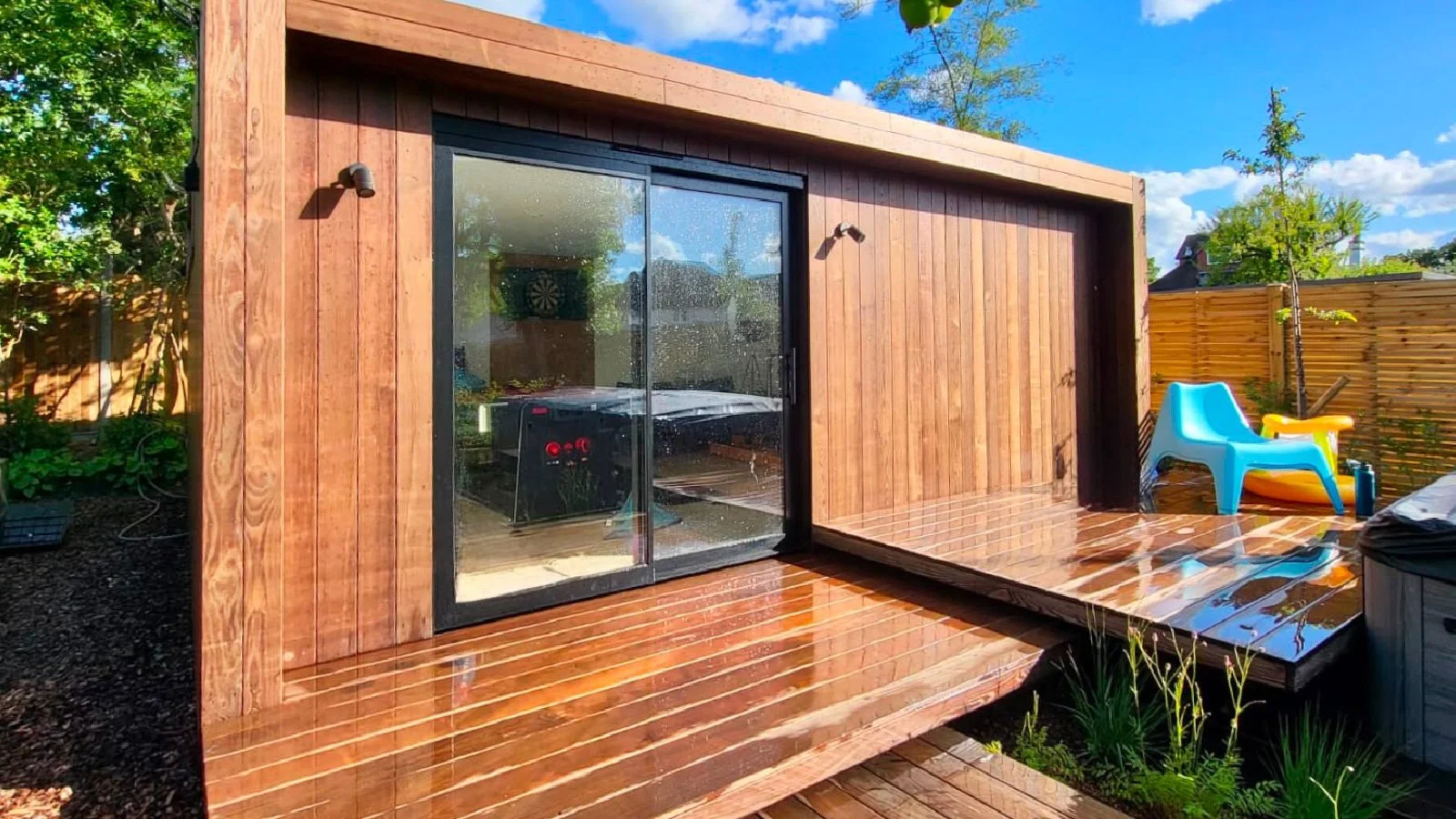
What Size Garden Room Should You Build? Why the Best Size Is Rarely Standard
Not sure what size garden room you need? Compare 3m x 3m, 4m x 3m, 5m x 4m, 6m x 4m and bespoke garden rooms, and discover why designing a cabin around your garden often delivers a better result than choosing a standard size.
Choosing the right size garden room is one of the biggest decisions you’ll make during your project.
Many homeowners begin by asking:
Should I choose a 3m x 3m garden office?
Is a 4m x 3m garden room big enough?
Would a 5m x 4m be better?
Should I build something completely bespoke?
The truth is that there isn’t one perfect answer.
The best garden room isn’t necessarily the biggest one, nor is it always one of the standard sizes shown on a website.
At Backyard Cabins, we believe the best garden room is the one that’s designed around your garden, your lifestyle and how you’ll actually use the space.
If you’re new to garden rooms, it’s also worth exploring our Garden Room Design & Build Information page to understand how our cabins are constructed and what makes them suitable for year-round use.
Quick Answer
What size garden room should I choose?
For many people, a 4m x 3m garden room provides an excellent balance of space and practicality. However, every garden is different, and many homeowners benefit from a bespoke size that makes better use of the available space.
Rather than asking which standard model to buy, it’s often better to ask:
“What size works best for my garden?”
Your Garden Isn’t Standard – Why Should Your Garden Room Be?
One of the biggest differences between Backyard Cabins and many larger manufacturers is our approach to design.
Many companies build a limited range of standard sizes in a factory.
You simply choose one that is “close enough” to what you need.
We work differently.
Our standard cabin range provides inspiration and proven layouts, but these models are only a starting point.
If your garden would work better with a cabin measuring 4.3m x 3.2m, or 5.6m x 3.8m, that’s exactly what we’ll design and build.
Every cabin is hand-built on site, allowing us to create a garden room that suits your space rather than forcing your space to suit a factory-produced building.
Small Gardens – Making Every Metre Count
If you have a smaller garden, every centimetre matters.
Many homeowners assume they need to compromise, but careful design can often create a surprisingly spacious room without overwhelming the garden.
Our NEO 3m x 3m is an excellent example of a compact garden office that’s ideal for home working, hobbies or a quiet retreat.
However, some gardens may suit a bespoke size slightly larger or slightly smaller, depending on the available space.
Sometimes adding just a few extra centimetres creates room for additional storage or a more comfortable desk layout.
The UK’s Most Popular Garden Office Size
For many households, a 4m x 3m garden room strikes the perfect balance.
It’s large enough to provide a generous workspace while still fitting comfortably into most gardens.
Discover why the FORZA 4m x 3m Garden Room has become one of our most popular layouts.
It works beautifully as:
A home office.
A treatment room.
A creative studio.
A hobby room.
A home gym.
A flexible family space.
But again, if your garden is slightly wider or slightly narrower, we can adjust the dimensions accordingly.
When a Larger Garden Room Makes Sense
If you’re looking to create a shared workspace, a larger studio or a multi-purpose family room, additional space can make a significant difference.
Our LUNA 5m x 4m provides generous proportions that work well for:
Two-person home offices.
Creative studios.
Wellness spaces.
Family rooms.
Entertaining.
Combined work and relaxation.
Many homeowners are surprised by how much more versatile a larger room becomes.
It allows different activities to take place comfortably within the same space without feeling cramped.
Take a closer look at the LUNA 5m x 4m Garden Room, designed for larger home offices, family spaces and flexible living.
Maximum Space and Complete Flexibility
For clients looking to create something truly special, our META 6m x 4m offers exceptional flexibility.
It can comfortably accommodate:
Multiple workstations.
Large home gyms.
Creative businesses.
Treatment clinics.
Games rooms.
Premium entertaining spaces.
It’s ideal for homeowners who want their garden room to become a genuine extension of their home.
See how the META 6m x 4m Garden Room provides generous space for premium home offices, studios and multi-purpose living.
When a Bespoke Garden Room Is the Better Choice
In reality, many of the cabins we build aren’t one of our standard sizes.
Every garden is different.
Some have mature trees.
Others have awkward boundaries.
Some need to maximise every available metre.
Others are designed around existing patios, landscaping or swimming pools.
Rather than asking you to compromise, we simply design the cabin around your space.
That’s one of the biggest advantages of building each project individually rather than manufacturing identical buildings in a factory.
Why We Don’t Mass Produce Garden Rooms
Backyard Cabins isn’t a production line.
We don’t have rows of identical garden rooms sitting in a warehouse waiting to be delivered.
Every project starts with a conversation.
We learn how you want to use the space.
We assess your garden.
We discuss the layout.
Only then do we begin creating your cabin.
Every structural panel is cut and assembled specifically for your project, with the building constructed on site by our experienced team.
That approach gives us the flexibility to create a garden room that feels as though it was always meant to be part of your garden.
If you’d like to learn more about how our cabins are constructed, the materials we use and why we’ve chosen SIPs construction, visit our Garden Room Design & Build Information page. It explains the build process in more detail and what makes our cabins suitable for comfortable year-round use.
Think About How You’ll Use the Space in Five Years
One of the biggest mistakes homeowners make is designing only for today’s needs.
A home office today might become:
A teenager’s study room.
A creative studio.
A treatment room.
A home gym.
A hobby room.
A guest retreat.
Thinking ahead often leads to better design decisions and a garden room that continues to work for many years.
Frequently Asked Questions
What is the most popular garden room size?
A 4m x 3m garden room is one of the most popular choices because it offers an excellent balance between internal space and garden impact.
Is a bespoke garden room more expensive?
Not necessarily. The cost depends on the overall design, specification and materials rather than simply whether the dimensions are standard or bespoke.
Can you build a garden room to fit an awkward space?
Yes. Many of our projects are designed specifically around unusual garden layouts, existing landscaping or awkward boundaries.
Should I choose a standard model or a bespoke design?
Our standard cabins are an excellent starting point, but many clients ultimately choose a bespoke size to make the best possible use of their garden.
Final Thoughts
Choosing the right garden room isn’t about finding the closest standard size.
It’s about creating a space that fits your garden, complements your home and supports the way you want to live.
Whether that’s a compact home office, a spacious family room or something completely bespoke, the right design should work around you—not the other way around.
At Backyard Cabins, that’s exactly how we approach every project.
Ready to Find the Right Garden Room?
Whether one of our standard designs is the perfect fit or you need a completely bespoke cabin, we’re always happy to discuss your ideas and help you create a garden room that’s designed around your garden, your lifestyle and the way you’ll use the space.
Explore Our Cabin Range to compare our standard models, browse our Gallery to see completed projects, or arrange a site visit and we’ll help you decide on the right size, layout and specification for your project.
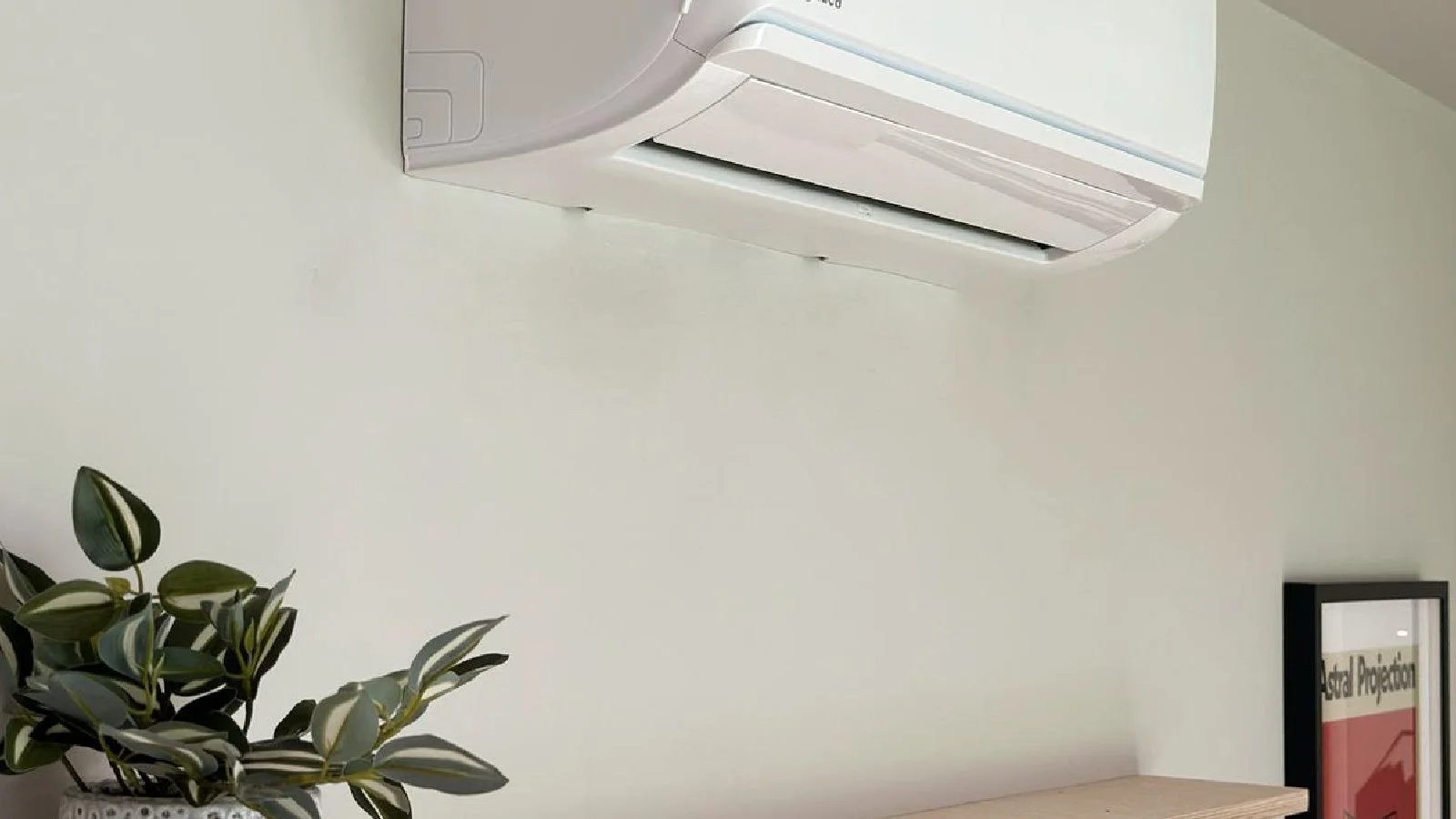
Can a Garden Office Stay Cool During a UK Heatwave? What Homeowners Need to Know
Worried your garden office will overheat? Learn how modern insulation, SIPs construction and optional air conditioning can help keep your workspace comfortable during even the hottest UK summers.
With temperatures reaching well above 30°C across parts of the UK, many homeowners are asking the same question:
“Will a garden office become unbearably hot in summer?”
It’s a sensible concern. If you’re planning to spend hours working from home, the last thing you want is a space that feels more like a greenhouse than a professional office.
The good news is that a well-designed, properly insulated garden room can remain comfortable even during periods of unusually hot weather.
In fact, many of the same features that keep a building warm in winter also help keep it cooler in summer.
Whether you’re working from a garden in Wokingham, Walton-on-Thames, Salisbury or anywhere else across the South East, thoughtful design can make all the difference.
Quick Answer
Do garden offices get too hot during a heatwave?
Not necessarily.
A high-quality garden room built with modern insulation, quality glazing and good ventilation will generally perform far better than a basic timber shed or summerhouse. Optional air conditioning can provide additional comfort during prolonged periods of extreme heat.
The key is choosing a building that’s designed for year-round use rather than occasional seasonal use.
Insulation Doesn’t Just Keep Heat In, It Helps Keep Heat Out
Many people assume insulation only matters in winter.
In reality, insulation slows the transfer of heat in both directions. During colder months it helps retain warmth inside the building, while during summer it reduces the amount of external heat entering the structure.
This is one reason why a well-insulated home often feels cooler than a poorly insulated one during a heatwave.
At Backyard Cabins, our buildings utilise high-performance 97mm Structural Insulated Panels (SIPs) incorporating a continuous 75mm polyurethane insulation core, creating an efficient thermal envelope designed for comfortable year-round use.
A Garden Office Is Very Different from a Garden Shed
It’s easy to assume all timber buildings behave the same way in hot weather.
They don’t.
A typical garden shed is designed for storing tools and equipment. It often has little or no insulation and minimal consideration for year-round occupancy.
A professionally designed garden office is built with comfort in mind.
Features such as insulated wall systems, quality glazing, interior finishes and heating options all contribute to creating a space that’s suitable for everyday work rather than occasional storage.
Natural Light Is Important, So Is Thoughtful Design
Large glazed doors and windows can transform the feel of a garden office, filling it with daylight and creating a strong connection to the garden.
Equally important is how those openings are incorporated into the overall design.
Window placement, ventilation and sensible use of shading can all contribute to maintaining a pleasant internal environment during warmer weather.
Every project is different, which is why bespoke planning often delivers the best long-term results.
Air Conditioning Can Make Summer Working Even More Comfortable
For clients who spend long days working from their garden office, air conditioning can be an excellent optional upgrade.
Modern systems don’t just cool the room in summer – many also provide highly efficient heating during colder months.
Because every Backyard Cabin includes first-fix electrics and an internal consumer unit, incorporating air conditioning into the overall electrical installation is straightforward for a qualified electrician.
Combined with a well-insulated structure, this creates a workspace that remains comfortable whatever the season.
It’s the Whole Design That Makes the Difference
Keeping a garden office comfortable isn’t about relying on a single feature.
It’s the combination of quality construction and intelligent design that delivers the best results.
Important considerations include:
High-performance SIPs construction.
Quality double glazing.
Effective insulation.
Durable roofing systems.
Sensible window positioning.
Good ventilation.
Optional climate control where desired.
Together, these elements help create a space that feels like a genuine extension of your home rather than an outdoor outbuilding.
Comfort Has a Direct Impact on Productivity
Anyone who works from home knows how much the environment affects concentration.
A room that’s too hot can quickly become uncomfortable and distracting.
A properly designed garden office provides a dedicated space where you can focus on your work, enjoy natural light and maintain a comfortable environment throughout the changing seasons.
For many homeowners, that translates into improved productivity and a far more enjoyable working day.
Frequently Asked Questions
Do SIPs garden rooms stay cooler in summer?
High-performance SIPs construction helps reduce heat transfer through the walls, floor and roof, contributing to a more stable internal temperature than poorly insulated structures.
Does insulation help during hot weather?
Yes. Insulation slows heat transfer, helping reduce the amount of external heat entering the building as well as retaining warmth during winter.
Is air conditioning worth adding to a garden office?
For homeowners who expect to use their garden office throughout the hottest months of the year, air conditioning can be an excellent investment and also provides efficient heating in winter.
Will my garden office feel like a greenhouse?
A purpose-built garden office with quality insulation and thoughtful design performs very differently from a basic summerhouse or storage shed and is intended for comfortable year-round use.
H2: Final Thoughts
The recent UK heatwave has highlighted just how important good design can be.
A premium garden office should provide a comfortable place to work not only during spring and autumn but throughout the hottest days of summer and the coldest weeks of winter.
By combining high-performance SIPs construction, quality materials and carefully considered design, a modern garden room can become a practical, productive and enjoyable space all year round.
If you’re considering investing in a garden office, don’t just think about how it will look – think about how it will perform when temperatures reach their extremes.
A building designed for genuine year-round use will reward you every single day you use it.
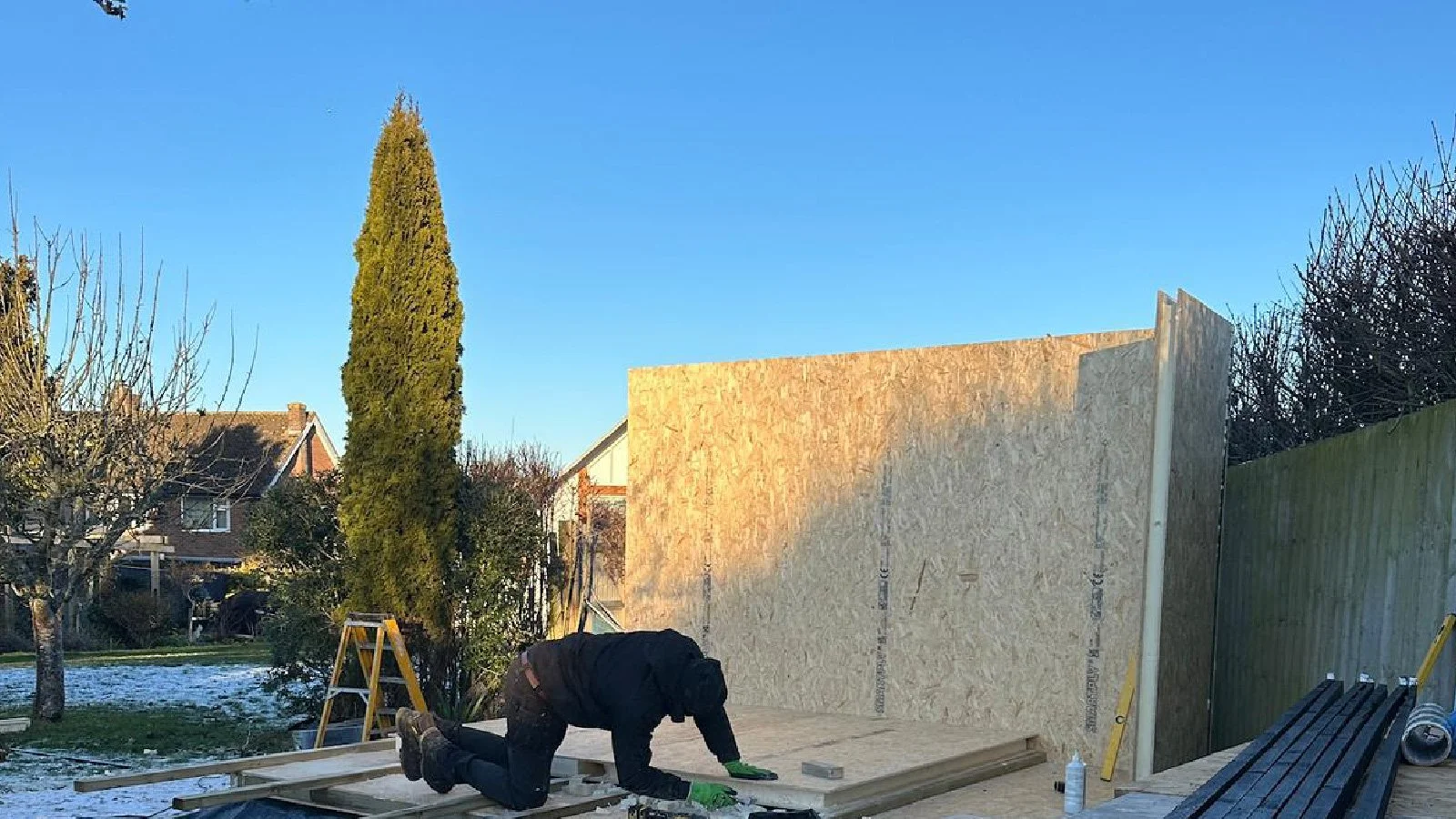
How to Choose the Best Garden Room Company: 10 Questions to Ask Before You Buy
Not all garden room companies are the same. Learn the key questions every homeowner should ask before choosing who to trust with their garden room project.
Investing in a garden room is a significant decision.
Whether you’re creating a home office, gym, studio, treatment room, or additional living space, choosing the right company is just as important as choosing the design itself.
A quick online search reveals hundreds of garden room providers, all claiming to offer the best quality, the best value, and the best service.
So how do you separate a genuinely high-quality garden room company from the rest?
Here are ten questions every homeowner should ask before signing a contract or paying a deposit.
Quick Answer
The best garden room company isn’t necessarily the biggest or the cheapest.
Look for a company that uses high-performance construction materials, offers transparent pricing, can demonstrate genuine completed projects, understands foundations and planning requirements, and provides direct accountability throughout the build.
Companies should be able to explain exactly how their buildings are constructed, what is included within the advertised price, and who will actually be responsible for building your garden room.
1. Who Will Actually Build Your Garden Room?
Many homeowners are surprised to discover that the person they initially speak with disappears once the contract is signed.
Some companies operate large sales teams and outsource installation work to third-party subcontractors.
There’s nothing inherently wrong with this model, but it’s important to understand who will ultimately be responsible for delivering your project.
At Backyard Cabins, Nick oversees the client-facing side of the business and remains closely involved throughout the build process. Meanwhile, Matthew manages the planning, administration, systems and operational side behind the scenes.
This approach allows us to maintain quality control and accountability from initial enquiry through to final handover.
2. What Is the Actual Construction Specification?
Not all garden rooms are built the same way.
Many companies simply describe their buildings as “fully insulated” without explaining what that actually means.
Questions worth asking include:
What type of structure is used?
How thick are the walls?
What insulation system is installed?
What roofing system is included?
What type of glazing is provided?
Our cabins are constructed using 97mm Structural Insulated Panels (SIPs), comprising a 75mm continuous polyurethane insulation core bonded between structural OSB boards.
Combined with premium Thermowood cladding, high-quality double glazing and durable EPDM roofing, this creates a highly insulated structure designed for genuine year-round use.
3. Is the Price Transparent?
One of the biggest frustrations in the garden room industry is discovering additional costs after receiving an initial quote.
A garden room advertised at one price can quickly become far more expensive once flooring, heating, foundations, electrics, installation and VAT are added.
Always ask:
Is VAT included?
Is flooring included?
Is heating included?
Is installation included?
Are there any likely additional costs?
We believe pricing should be clear from the outset. That’s why we display both ex-VAT and VAT-inclusive pricing and clearly explain what is included within every cabin package.
4. Can They Show Real Completed Projects?
A portfolio should contain more than computer-generated renders.
Look for genuine projects, completed installations and real-world examples of previous work.
These provide valuable insight into:
Build quality
Attention to detail
Design capability
Site management
Problem-solving ability
At Backyard Cabins, we regularly document completed projects across Berkshire, Surrey, Oxfordshire, Wiltshire and West London, including bespoke builds and challenging installations where careful planning was required.
5. Can They Explain the Thermal Performance?
Many companies advertise their buildings as “fully insulated”, but few explain the actual thermal performance of the finished structure.
One useful question to ask is:
What is the U-value of the finished wall assembly?
A lower U-value indicates better thermal performance.
As a guide:
Typical shed or log cabin: Often above 1.50 W/m²K
Modern house extension: Around 0.28 W/m²K
High-performance garden room: Around 0.25 W/m²K
Our standard wall build-up achieves a finished wall assembly U-value of approximately 0.25 W/m²K, helping create a comfortable, energy-efficient environment throughout the year.
6. Do They Understand Planning and Permitted Development?
Most garden rooms can be installed under permitted development rights, but every property is different.
A good company should understand:
Common permitted development requirements
Height restrictions
Boundary considerations
Situations where planning permission may be required
Our standard cabin range is designed to remain below 2.5 metres in height, helping many projects fall within permitted development guidelines, subject to the circumstances of the individual property.
7. Can They Handle Challenging Gardens?
Very few gardens are perfectly flat with unrestricted access.
Common challenges include:
Sloping lawns
Narrow side access
Tight corners
Existing landscaping
Restricted boundaries
This is where experience becomes important.
We frequently use ground screw foundations where appropriate. These can often reduce excavation requirements, minimise disruption and provide a practical solution for uneven ground.
We’re also currently completing projects where careful site logistics and SIPs construction methods allow materials to be transported through restricted access routes that would be difficult for larger pre-manufactured structures.
8. What Warranty Is Included?
A garden room is a long-term investment.
Before proceeding, ask:
What warranty is included?
What does it cover?
How long does it last?
Backyard Cabins provides a 10-year structural warranty, reflecting our confidence in both the materials we use and the way our cabins are constructed.
9. How Long Will the Build Take?
Build times vary significantly across the industry.
Ask:
How long will installation take?
What preparation is required beforehand?
What factors could affect the schedule?
Because our cabins utilise SIPs construction and can often be installed on ground screw foundations, many standard models can be completed within approximately 10–15 working days once foundations are prepared.
10. Will the Final Electrical Connection Be Straightforward?
This is a detail many homeowners overlook.
A good garden room company should make the final electrical connection process as simple as possible.
Our cabins are supplied with first-fix electrics already installed, including sockets, lighting circuits and an internal consumer unit.
Once the structure is complete, your electrician simply connects the cabin to the property’s electrical supply, making the final stage straightforward and efficient.
Why Smaller Can Sometimes Be Better
There are many excellent garden room companies operating in the UK, and larger companies often offer impressive showrooms, extensive marketing, and a wide range of standard designs.
However, one advantage of working with a smaller specialist company is simplicity and direct accountability.
With larger organisations, it’s common to deal with multiple departments throughout a project. The person who provides the initial quotation may be different from the project manager, who may be different from the installation team, who may be different from the person handling aftercare.
At Backyard Cabins, things are deliberately simpler.
From your initial enquiry through to completion, you’ll deal directly with the people responsible for delivering your project. Questions are answered quickly, decisions can be made efficiently, and if something needs discussing, you can speak directly to the people who know the project inside out.
This also gives us greater flexibility. We can adapt designs, solve site-specific challenges, and make sensible decisions throughout the build without layers of management or lengthy approval processes.
For many of our clients, that direct relationship and personal service is one of the biggest advantages of working with a small, specialist team.
Final Thoughts
The best garden room company isn’t necessarily the largest, the cheapest or the one with the biggest marketing budget.
It’s the company that combines quality materials, transparent pricing, genuine craftsmanship and a commitment to delivering a great result.
Take your time, ask questions, compare providers and choose a company you trust.
A well-designed garden room should enhance your home and lifestyle for many years to come.
Thinking About a Garden Room?
Whether you’re considering a compact home office or a larger multi-functional garden room, we’re always happy to discuss your project.
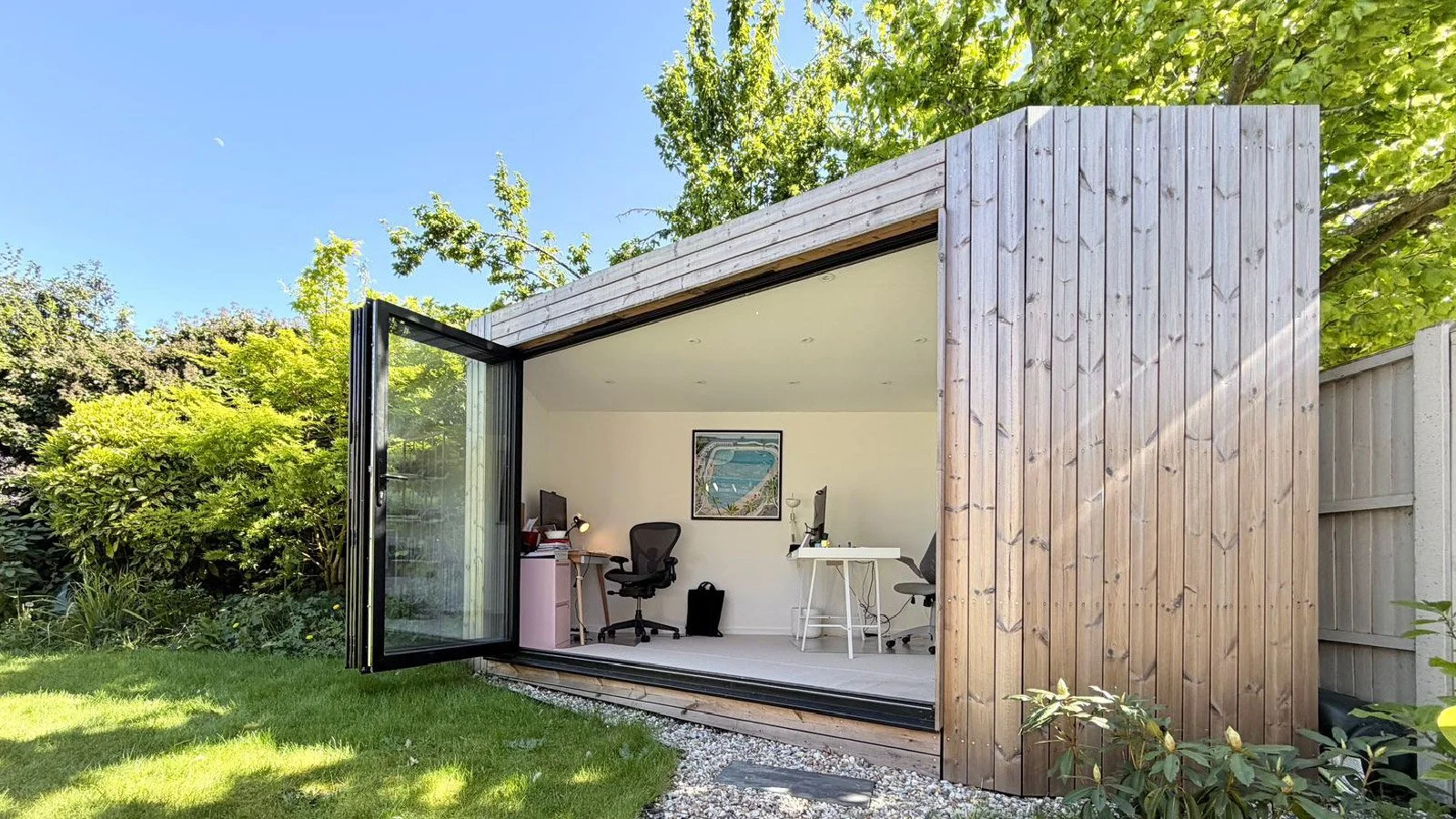
Can You Build a Garden Room in an Awkward Garden? Slopes, Tight Corners & Narrow Access Explained
Think your garden is too small, too steep or too awkward for a garden room? Discover how sloping plots, tight corners and narrow access routes can often be successfully overcome with the right design and construction approach.
Many homeowners assume a garden room isn’t possible because their garden isn’t perfectly flat.
Perhaps the lawn slopes away from the house. Maybe there’s a tight corner you’d like to utilise. Or perhaps access to the garden is restricted by a narrow side passage or terraced property layout.
The good news is that an awkward garden doesn’t automatically mean a garden room is impossible.
In fact, many of the projects we complete across Berkshire, Surrey, Oxfordshire, Wiltshire and West London involve challenges that homeowners initially believed would prevent them from building a garden room altogether.
Quick Answer
Can a garden room be built in an awkward garden?
In many cases, yes.
Sloping ground, restricted access, unusual boundaries and difficult layouts can often be accommodated through careful design, appropriate foundations and a construction method suited to the site.
Every garden is different, but challenging plots are often far more workable than homeowners expect.
The Biggest Misconception About Garden Rooms
One of the most common assumptions we hear is:
“My garden isn’t suitable.”
Most people picture a perfectly level lawn with wide-open access and unlimited space.
The reality is that very few gardens are like that.
Every property presents its own constraints, whether that’s a change in levels, existing landscaping, fences, trees, retaining walls, narrow pathways or unusual boundaries.
The key is designing around those constraints rather than expecting the garden to fit a standard template.
Problem 1: Sloping Gardens
A sloping garden is often the first concern homeowners raise.
Many assume that building on a slope automatically requires extensive excavation, large retaining walls and significant additional costs.
While every site needs assessing individually, modern foundation systems can often provide a much simpler solution.
Ground Screw Foundations
At Backyard Cabins, we frequently use ground screw foundations where appropriate.
These foundations are installed directly into the ground and allow the structure to be levelled without requiring a large concrete slab across the entire site.
Benefits can include:
Reduced ground disturbance
Faster installation
Less excavation
Greater flexibility on uneven terrain
Immediate readiness for construction
In many cases, the cabin build can begin as soon as the foundations are completed.
For homeowners with uneven gardens, this can be a significant advantage compared with traditional concrete-based approaches.
Problem 2: Tight Corners & Boundary Locations
Another common challenge is making the best use of limited garden space.
Many clients want to position their garden room neatly into a corner to maximise the remaining lawn and outdoor living area.
Fortunately, many modern garden rooms are designed specifically with this in mind.
Our standard cabin range is designed to remain below 2.5 metres in height, helping many projects fall within permitted development guidelines, subject to the specific circumstances of the property.
Every property should be assessed individually, but a compact footprint and thoughtful positioning can often transform an otherwise underused section of the garden into a highly functional workspace, studio, treatment room or retreat.
Problem 3: Narrow Access Routes
Restricted access can often be more concerning than the garden itself.
We regularly speak to homeowners who have:
Narrow side passages
Terraced properties
Gates with limited clearance
Existing landscaping they don’t want disturbed
Many people assume a garden room arrives as a giant pre-built structure that must somehow be manoeuvred into place.
That isn’t how we work.
Why SIPs Construction Helps
Our cabins are constructed using Structural Insulated Panels (SIPs).
This approach allows materials to be transported to site efficiently and assembled within the garden itself.
Because the structure is built on site, challenging access arrangements are often much less restrictive than clients initially expect.
We’re currently building a FORZA 4m x 3m garden room in Lower Earley where careful planning and site logistics have been essential to working within the existing residential layout.
Of course, every property is different, but restricted access is rarely something we dismiss without first assessing the site properly.
Why Bespoke Thinking Matters
One advantage of working with a smaller specialist company is flexibility.
Some garden room providers focus primarily on a fixed range of standardised designs and layouts.
There’s nothing wrong with standardisation, but unusual gardens often benefit from a more considered approach.
A few centimetres here or there can completely transform how a garden room sits within a space.
Window positions can be adjusted.
Layouts can be refined.
Access routes can be considered.
Foundations can be selected based on site conditions.
The result is often a garden room that feels like it was always intended to be part of the garden rather than something simply added afterwards.
More Than Just a Product
At Backyard Cabins, every project is approached individually.
Nick leads the client-facing side of the business and oversees the practical delivery of each build, ensuring the finished cabin meets the standards we expect.
Meanwhile, Matthew manages the systems, planning, administration and operational side of the business behind the scenes, helping projects run smoothly from enquiry through to completion.
This combination allows us to remain a small, hands-on company while delivering a professional and highly personalised service.
Unlike larger volume manufacturers, we focus on creating carefully considered garden rooms that are designed around both the property and the people who will use them.
Don’t Rule Out Your Garden Too Quickly
Over the years we’ve visited countless properties where the homeowner’s first comment was:
“I don’t think it’s possible.”
Very often, it is.
A sloping lawn, awkward corner or narrow access route doesn’t automatically prevent you from creating a beautiful garden office, studio, treatment room, home gym or flexible living space.
The best way to find out is to have a conversation and assess the possibilities properly.
Frequently Asked Questions
Can a garden room be built on a slope?
In many cases, yes. Ground screw foundations can often accommodate changes in level without requiring extensive excavation. Every site should be assessed individually.
Can a garden room be built close to a fence?
Many garden rooms can be positioned close to boundaries while remaining within permitted development guidelines. Requirements vary depending on the property and design.
What if my garden has narrow access?
Restricted access does not automatically prevent a garden room being installed. SIPs construction often allows materials to be transported through tighter access routes and assembled on site.
Do I need planning permission for a garden room?
Many garden rooms fall within permitted development rights, although every property should be assessed individually before work begins.
Are SIPs garden rooms suitable for year-round use?
Yes. Our cabins use fully insulated SIPs construction throughout the walls, floor and roof, helping create a comfortable environment designed for year-round use.
Thinking About a Garden Room?
Whether you’re considering a compact home office or a larger multi-functional garden room, we’re always happy to discuss your ideas and assess the suitability of your site.
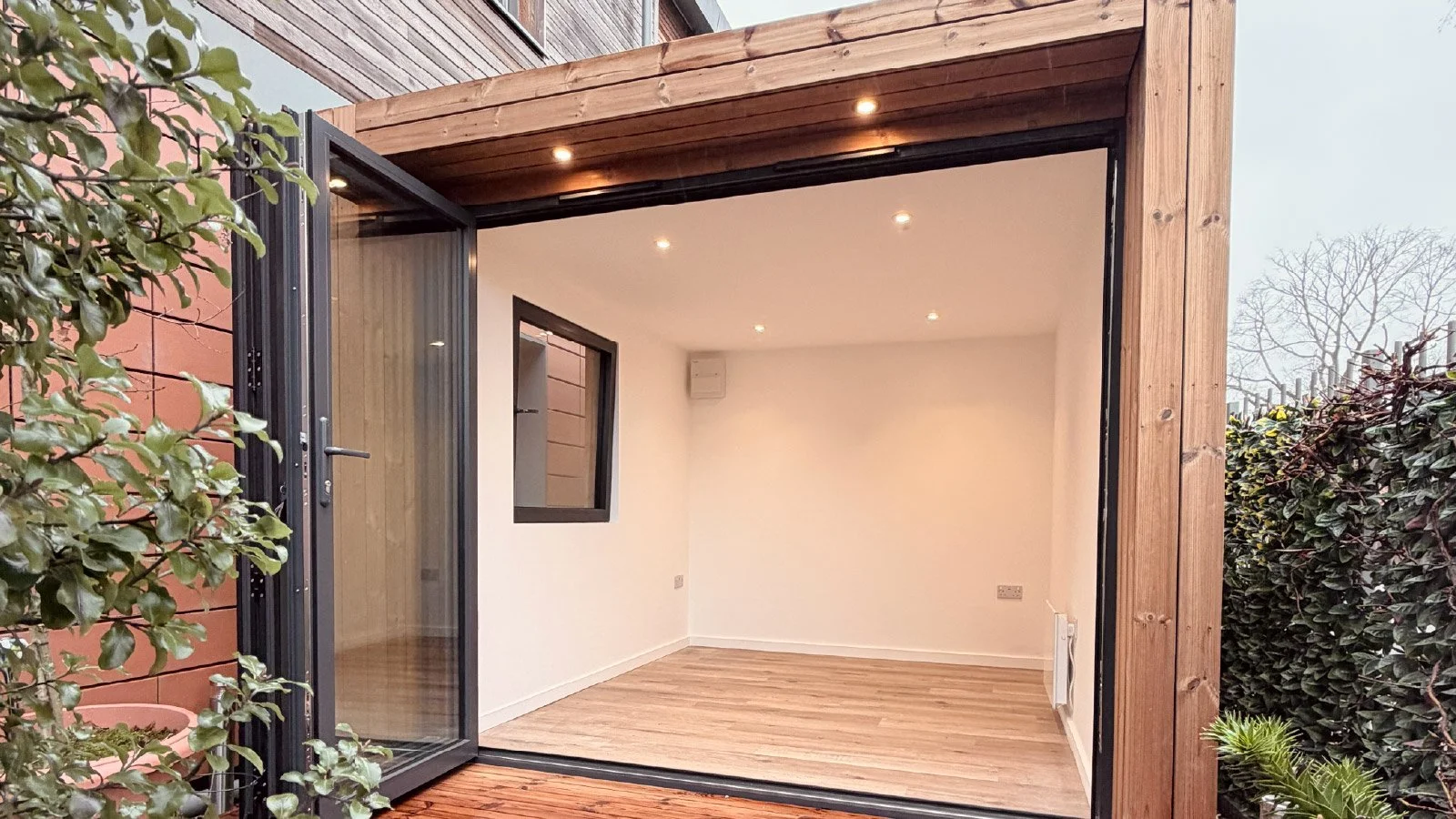
Garden Rooms Surrey – How to Choose the Right Garden Office or Outdoor Space
A practical guide to garden rooms in Surrey. Discover how to choose the right garden office, understand year-round performance, and decide between pre-designed and bespoke options.
Across Surrey, more homeowners are choosing garden rooms as a practical alternative to extensions. Whether the goal is a dedicated garden office, a creative studio, or a flexible multi-purpose space, a well-designed garden room can transform how your home functions, without the disruption of major building work.
If you’re considering a garden room in Surrey, here’s what you should think about before making a decision.
Why Garden Rooms Are Growing in Popularity in Surrey
Surrey homes often benefit from generous gardens, making them ideal for adding usable space without altering the main house.
A garden room offers something unique:
Physical separation from the home
A calm, distraction-free environment
A flexible space that can evolve over time
An alternative to extending or converting interior rooms
For many homeowners, a garden office in Surrey provides the ideal balance between working from home and maintaining boundaries between work and personal life.
Can You Use a Garden Room All Year Round?
One of the most common questions is whether garden rooms are suitable for winter use.
The answer depends entirely on how they’re built.
A high-quality garden room should include:
Full insulation in walls, floor and roof
A strong structural system
Proper waterproofing and breathable membrane protection
Quality glazing to maximise natural light while maintaining comfort
When built correctly, a garden room becomes a true year-round space — not a seasonal summer feature.
Garden Office or Multi-Use Space?
Before choosing a design, it’s important to consider how you’ll use the space day to day.
A garden office typically requires:
Adequate desk and storage space
Strong natural light
A quiet, private setting
But many Surrey homeowners choose to future-proof their investment. What begins as a home office may later become:
A yoga or wellness studio
A garden gym
A consulting or therapy room
A guest or hobby space
Flexibility is key.
Pre-Designed vs Bespoke Garden Rooms in Surrey
When exploring options, you’ll generally have two routes.
Our pre-designed garden rooms offer proven layouts and carefully balanced proportions. They’re ideal if your garden has a straightforward footprint and you want a well-considered, efficient design that works beautifully in everyday use.
You can explore our full range of pre-designed garden cabins to see which size and layout may suit your space.
Bespoke garden rooms, on the other hand, are better suited for:
Narrow or corner plots
Specific layout requirements
Integrated storage solutions
Partitioned or multi-use spaces
The right choice depends on your garden, your lifestyle, and how you want the space to feel long term.
Do Garden Rooms Need Planning Permission in Surrey?
In many cases, garden rooms fall under permitted development. However, this depends on factors such as height, placement and intended use.
For example, there are commonly referenced rules around maximum height when positioned close to a boundary, and different overall limits depending on roof style.
It’s always sensible to understand the basics before committing, particularly if your property has specific planning restrictions.
Choosing the Right Garden Room Builder in Surrey
Not all garden rooms are built to the same standard.
When comparing providers, look beyond appearance and consider:
Construction method and insulation quality
Waterproofing systems
Warranty and longevity
Reviews and completed projects
Whether designs are created in-house
A garden room should be a long-term investment, not a temporary solution.
Explore Garden Rooms in Surrey
If you’re considering a garden room or garden office in Surrey, it’s worth taking the time to explore different layouts, finishes and options before deciding.
You can explore our full guide to garden rooms in Surrey here:
Explore our Garden Rooms in Surrey
Or browse our range of pre-designed cabins and bespoke options to see what might suit your garden best.
Thinking About a Garden Room?
A well-designed garden room can change how you live and work — providing space, separation and flexibility without altering your main home.
If you’re based in Surrey and exploring options, start by understanding how the structure is built, how it performs year-round, and which layout best suits your space.
The right design makes all the difference.